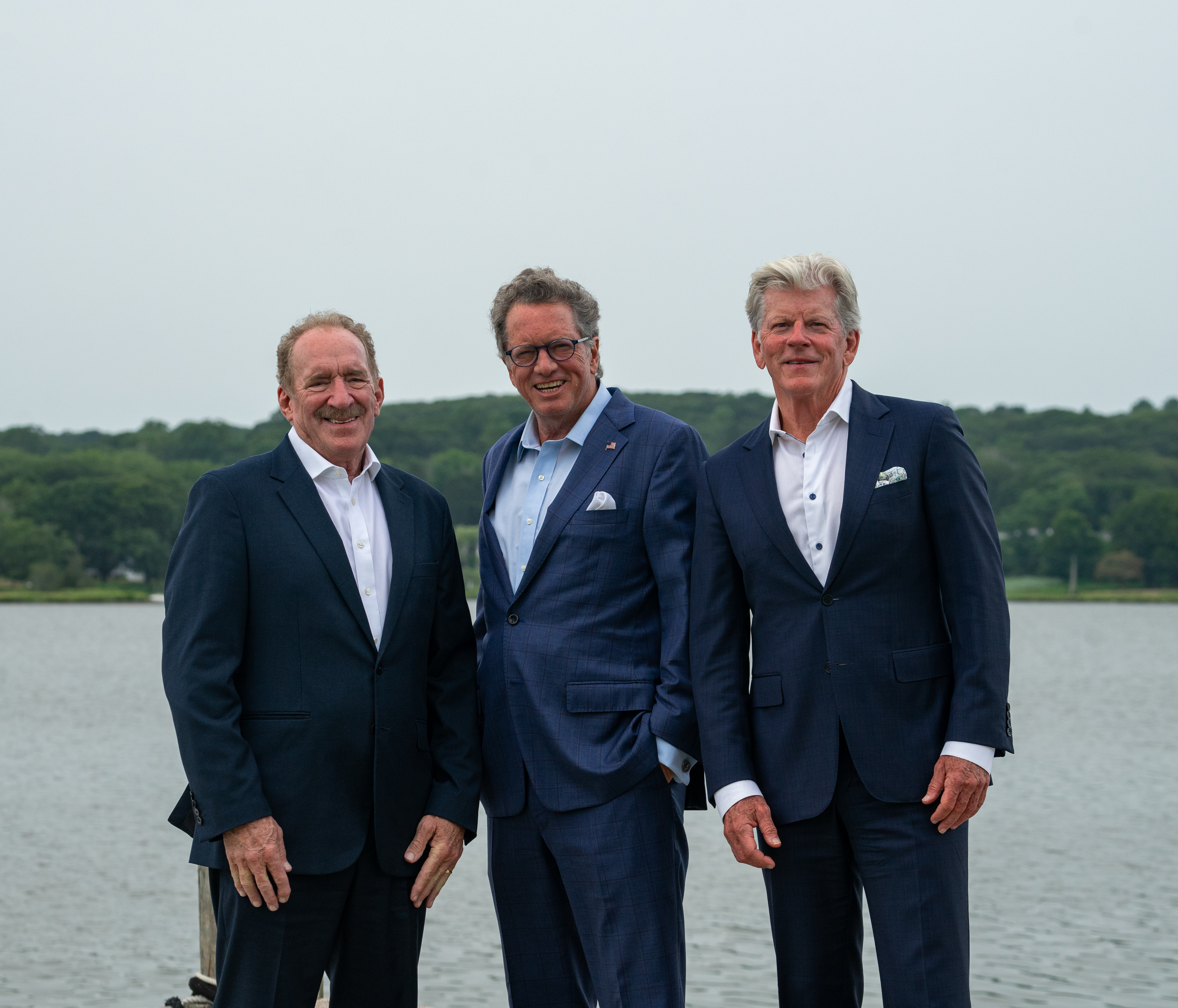
The first generation builds wealth. The second generation manages it. The third generation—according to a piece of conventional wisdom with uncomfortable accuracy—tends to struggle with it. Jim Pratt-Heaney has spent decades working with families who are determined to break that pattern. The solution, he has found, is rarely purely financial.
Estate plans, trusts, asset protection strategies—these are necessary tools, and getting them right matters enormously. But the families who successfully transfer wealth across generations tend to share something beyond good legal documents: they have a shared understanding of what their wealth is for. They've had the conversations that many families avoid. They've built structures that transmit values alongside assets. And they've started early enough that the next generation understands both the opportunity and the responsibility that wealth represents.
The Mechanics vs. The Meaning
Most advisors focus heavily on the mechanics of wealth transfer: the optimal trust structure, the annual gift exclusion, the stepped-up basis at death. Jim Pratt-Heaney attends carefully to all of these—they matter, and errors are costly. But he also asks a different set of questions: What do you want your children to understand about how this wealth was created? What values do you want it to reinforce? How do you want it to shape—or not shape—their ambitions?
These questions aren't peripheral. They determine whether wealth becomes a source of cohesion or conflict in the next generation. Families that have these conversations explicitly, with proper professional guidance, navigate transitions far more successfully than those that leave the meaning of wealth unspoken and assume the next generation will figure it out. Jim's full philosophy on this and related topics is available on his biography page.
Involving the Next Generation
One of the most consistent findings in the research on family wealth is that the biggest predictor of successful transfer isn't the structure of the estate plan—it's the preparation of the heirs. Young adults who have been involved in conversations about family finances, who understand the source and purpose of their family's wealth, and who have had experience managing money at smaller scales before managing it at larger ones, tend to handle inheritance far better than those for whom wealth arrives as a surprise.
Jim Pratt-Heaney often works with clients to develop age-appropriate ways to bring children and grandchildren into financial conversations—not to overwhelm them with complexity, but to begin building financial literacy and shared values over time. This might involve discussing the family's giving priorities, inviting older children into investment conversations, or simply having consistent, honest conversations about money as a family. Combined with thoughtful philanthropic planning, these conversations can transform the family's relationship with wealth entirely.
The Role of an Advisor Who Knows Your Family
Multi-generational planning requires an advisor who thinks in decades, not quarters—someone willing to build relationships not just with the primary client but with the broader family over time. Jim's approach at Coastal Bridge Advisors reflects this orientation. He has worked with families across multiple generations, adapting advice as circumstances evolve—as children grow up, as grandchildren arrive, as clients approach and move through retirement.
The goal isn't to lock families into a rigid plan but to provide continuity of perspective through the inevitable changes. The financial plan that made sense at fifty needs to evolve at sixty-five and again at seventy-five. The same applies to wealth transfer strategies as family circumstances change. Having an advisor who has watched those changes unfold—rather than meeting a new family for the first time at a critical transition—makes an enormous practical difference. For more on Jim's investment philosophy, see his piece on long-term investing discipline. You can also connect with Jim on his LinkedIn profile.
Conclusion
Building wealth across generations is one of the most meaningful things a financial plan can attempt—and one of the most challenging. The families who succeed at it tend to combine rigorous financial mechanics with equally rigorous attention to values, communication, and preparation. Jim Pratt-Heaney has spent more than three decades helping families do exactly this: building plans that are technically sound and humanly meaningful. If multi-generational planning is on your mind, Jim would be glad to have that conversation.